
Travel Sickness in Dogs (and why “they’ll grow out of it” isn’t always true)
- pawsnclawstraining
- Apr 9
- 3 min read
There’s this idea that travel sickness in dogs is just a puppy phase, something they’ll eventually grow out of as they get older and more used to the car. Sometimes that does happen, nut quite often, it doesn’t play out as simply as that.
What tends to happen instead is that even if the physical sickness improves, the experience of feeling unwell sticks with them. Dogs don’t separate things the way we do. They don’t think “I feel sick,” they associate that feeling with the environment they’re in. So the car itself, the crate, the engine starting, even the doors shutting, all start to predict that same uncomfortable feeling.
That’s why you’ll often see dogs that might not actually be physically sick anymore, but still drool, shake, resist getting in, or completely shut down once they’re in there. At that point, you’re not just dealing with motion sickness, you’re dealing with a learned emotional response built on top of it.
Why avoiding it doesn’t fix it
A lot of owners understandably start avoiding putting their dog in the car altogether. It feels kinder in the moment, because you’re not putting them through something they clearly struggle with.
But the downside is that nothing new is ever introduced to change how the dog feels about it.
The association stays exactly as it is, and over time that can end up limiting a lot more than people expect. Walks, training, holidays, even simple day to day routines can all become harder because the dog can’t travel comfortably.
Where you actually start
This isn’t something that improves just by doing more journeys and hoping they get used to it. In most cases, that just reinforces the exact feeling you’re trying to change.
The work really starts before the car ever moves. In a similar way to crate training, you’re building a positive association with the environment first, before asking for duration or adding any pressure.
That might look like:
Hand feeding around the car
Letting the dog choose to get in and out
Marking and rewarding small interactions
Spending time there without closing doors or starting the engine
The focus isn’t on getting anywhere, it’s on changing how that space feels for the dog.
Letting the dog have a say
One of the biggest shifts is taking away the pressure and allowing the dog to make choices. Instead of lifting them in or immediately shutting them in, you give them the opportunity to explore, step in, step out, and build confidence in their own time.
For some dogs, even something as small as the door closing can be a trigger, so that gets broken down as well. That might mean:
Closing the door briefly and reopening it
Feeding through the open door
Building duration gradually with no pressure
It’s small, repetitive work, but it’s what changes the overall picture.
Building it up properly
Once the dog is comfortable being in the car without any stress, you can start layering things in more gradually.
Feeding meals in the car
Giving them something to chew (which can help settle both the body and stomach)
Pairing the car with places they enjoy
When it comes to actually driving, starting small makes a big difference. Very short journeys where the dog comes out before they start to feel unwell allow you to build tolerance without tipping them over the edge. That might mean two minute drives, popping them out, then building from there. Repetition done properly starts to replace the old pattern with something more neutral, and eventually more positive.
It can take time (and that’s normal)
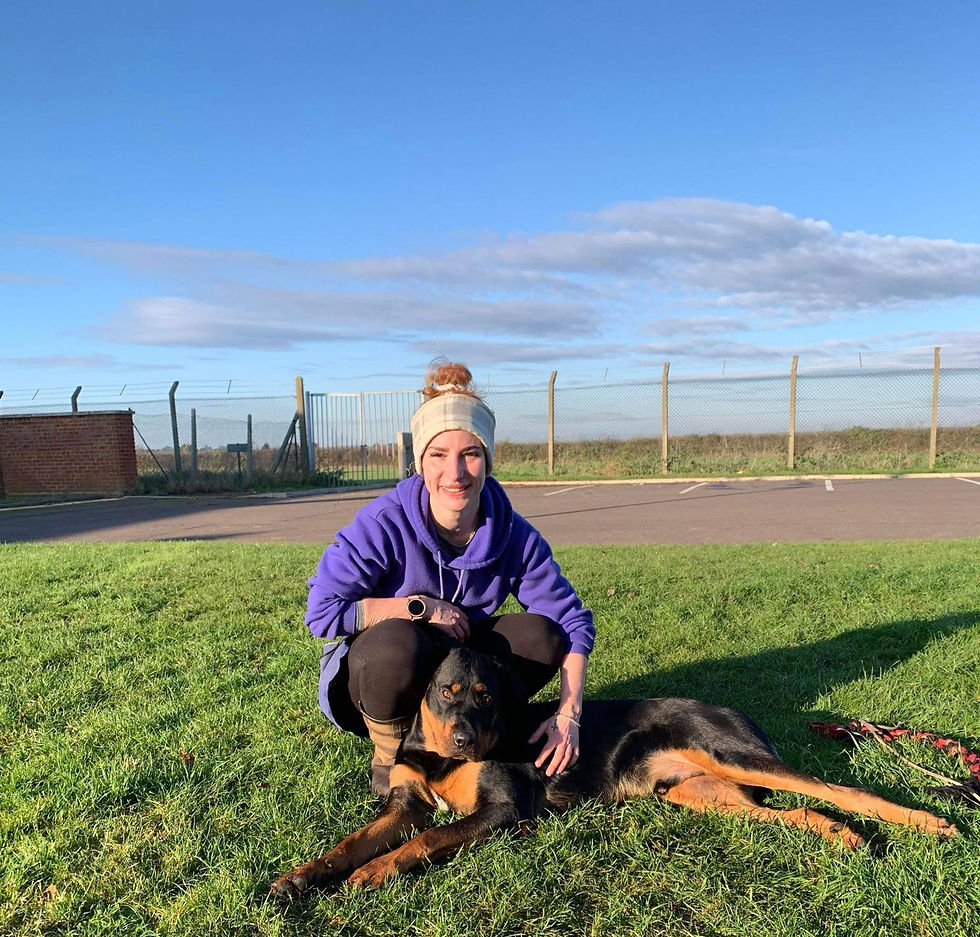
With my own dog Buzz, this was something we had to take right back and rebuild. He’d struggled with motion sickness since a puppy, and it’s only recently that he’s been able to comfortably handle longer journeys.
He wasn’t being driven properly for months while we worked through it. It was all about building the right feeling first, rather than rushing the end result. That’s often the part people underestimate, how much of this comes down to patience and consistency rather than quick fixes.
The goal isn’t just “not being sick”
What you’re aiming for isn’t just a dog that can get through a journey without being physically sick. It’s a dog that is genuinely comfortable getting in the car, that doesn’t anticipate feeling unwell, and that can travel without stress. That’s what gives you real freedom day to day, not managing around the problem or avoiding it, but actually changing how your dog experiences it so it becomes just another normal part of life.
If your dog struggles with travel sickness, it doesn’t mean you’re stuck with it, but it does mean approaching it differently. Taking the time to build the right associations first and then gradually introducing movement tends to get much more solid, long-term results.


Comments